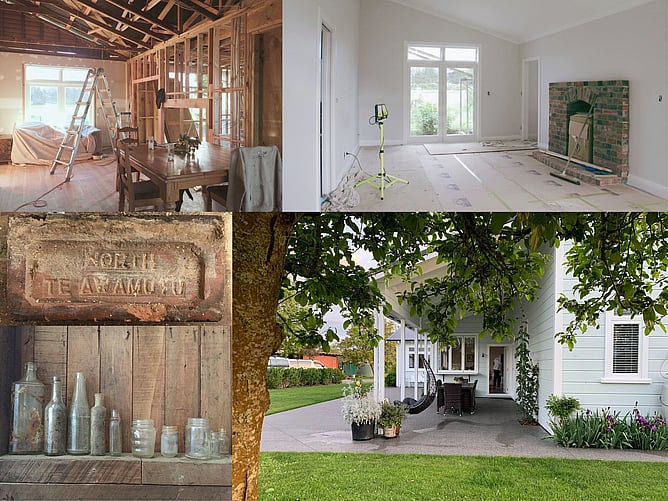
Heritage homes have a character that is hard to recreate. From original timber detailing and generous room proportions to established gardens, classic street appeal, and the kind of craftsmanship that tells a story, older homes often hold something special.
But bringing a character property up to modern living standards takes more than a standard renovation approach. For homeowners comparing Te Awamutu builders, who handle complex renovations, the right team is not just there to replace, extend, or modernise. The right builder understands how to balance comfort, function, structure, and style while protecting the features that made the home worth renovating in the first place.
A successful heritage home renovation should feel considered from the beginning. It should improve the way the home works day to day, while still respecting its history, proportions, and personality.
Whether you are updating a tired kitchen, improving indoor-outdoor flow, restoring original details, or planning a larger alteration, the goal is not to make an older home feel brand new. The goal is to help it feel beautifully liveable for today, without losing its soul.
Why Heritage Home Renovations Need a Careful Local Approach
When it comes to a heritage or older style home renovation, preserving the features that give the home its character are what we specialise in.
The charm of a heritage home is often found in the details. Timber floors, ceiling features, skirting boards, architraves, fireplaces, window proportions, weatherboards, verandahs, and original joinery can all contribute to the feeling of the home. When these details are removed without thought, the renovation can lose warmth and personality.
A considered renovation begins by identifying which features are worth keeping, restoring, or referencing in the new work. Sometimes that means carefully repairing original details.
In other cases, it may mean creating new elements that sit comfortably alongside the old. The aim is to create a finished result that feels cohesive, rather than a sharp divide between the original home and the renovated areas.
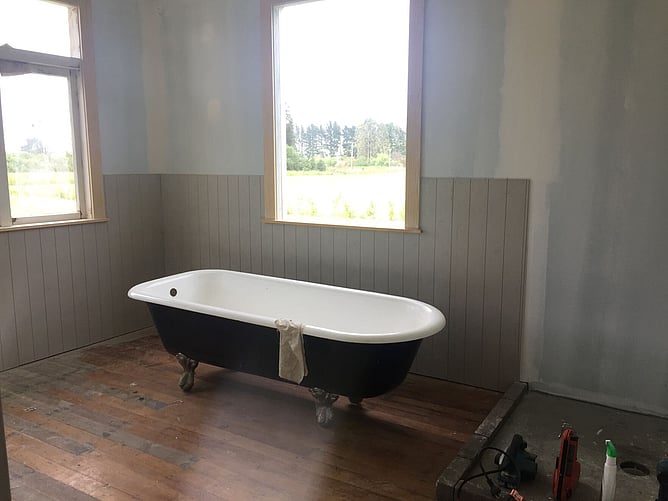
This is especially important when renovating key areas such as kitchens, bathrooms, and living spaces. These rooms need to perform well for modern life, but they should still feel like they belong within the wider home. Timeless materials, balanced proportions, and careful finishing choices can make all the difference.
Knowing When to Restore, Replace, or Rework
Not every original feature can be saved, and not every old detail should be kept simply because it is old. Some materials may be damaged beyond practical repair.
Some layouts may no longer suit how the household lives. Some areas may need to be reworked to improve safety, comfort, or long-term durability.
The skill is knowing where to draw the line. A good character home renovation respects the original design, but it also makes practical decisions. If something can be restored well, that may be the best option.
If it cannot, then replacement should be handled with care so that the new work still feels connected to the home’s age and style.
This is where clear advice from experienced Te Awamutu renovation builders can help. Before decisions are made, it is worth considering the condition of the existing materials, the cost of restoration, the visual impact, and how the space will be used every day.
What Te Awamutu Builders Look for Before Renovating a Heritage Home
Before any renovation begins, the existing home needs to be properly understood. Older properties can hide issues behind linings, under floors, or within roof spaces, so the planning stage is essential.
Looking carefully at the structure, services, layout, and previous alterations helps create a more realistic renovation plan.
The condition of the home’s framing, foundations, roof, cladding, windows, drainage, and moisture control can all influence the scope of work. Some homes may only need targeted upgrades, while others may require more substantial repair or strengthening before cosmetic improvements make sense.
It is also important to look at how the current layout supports modern living. Many older homes were designed for a different way of life, with separate rooms, limited storage, smaller service areas, and less connection to outdoor spaces.
A thoughtful renovation can improve these areas while still keeping the character and rhythm of the original home.
Modernising a Heritage Home Without Losing Its Soul
The most successful heritage renovations are not the ones where everything looks new. They are the ones where old and new work together naturally. Modern living needs comfort, storage, warmth, efficient services, and practical flow, but those improvements should not overwhelm the character of the home.
A kitchen renovation, for example, might include modern appliances, durable benchtops, improved lighting, and better storage, while still using finishes that feel timeless and appropriate. The most successful heritage renovations are not the ones where everything looks new.
They are the ones where old and new work together naturally. Modern living needs comfort, storage, warmth, efficient services, and practical flow, but those improvements should not overwhelm the character of the home.
A kitchen renovation, for example, might include modern appliances, durable benchtops, improved lighting, and better storage, while still using finishes that feel timeless and appropriate. While the bathroom part of the renovation might introduce better ventilation, waterproofing, heating, and layout, while choosing colours and textures that do not feel out of place.
Living areas can also be improved without stripping the home of its identity. Opening up spaces, adding doors to outdoor areas, improving natural light, or creating better flow can make a major difference to how a heritage home feels. The key is to make changes that feel intentional, rather than chasing trends that may date quickly.
Living areas can also be improved without stripping the home of its identity. Opening up spaces, adding doors to outdoor areas, improving natural light, or creating better flow can make a major difference to how a heritage home feels. The key is to make changes that feel intentional, rather than chasing trends that may date quickly.
Improving Warmth, Ventilation, and Everyday Comfort
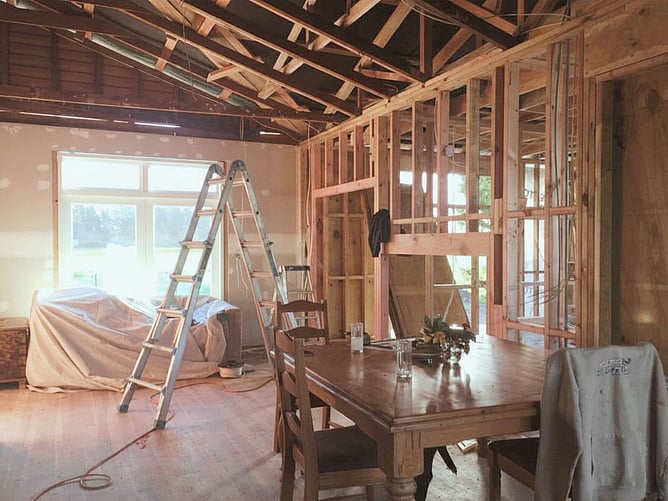
Many older homes have wonderful character, but they can also be cold, draughty, or difficult to heat. A heritage renovation is a valuable opportunity to improve comfort behind the scenes.
Insulation, ventilation, moisture control, heating, glazing considerations, and better use of natural light can all make the home more enjoyable to live in.
These improvements may not always be the most visible part of the renovation, but they have a real impact on everyday life. A warmer, drier, better-functioning home feels easier to maintain and more comfortable throughout the seasons.
For homeowners looking for character home builders in Te Awamutu, this is an important point to discuss early. The renovation should not only focus on how the home will look when it is finished.
It should also consider how the home will feel in winter, how well air moves through the spaces, how practical the rooms are to use, and how the upgrades will support long-term value.
Common Heritage Renovation Mistakes to Avoid
One of the biggest mistakes in a heritage renovation is removing too much too quickly. When original details are stripped out without a clear plan, the home can lose the very features that made it appealing. It is always worth slowing down and deciding what should be preserved before demolition or major changes begin.
Another common mistake is underestimating the planning stage. Renovating an older home often involves more moving parts than a straightforward update. There may be structural questions, access considerations, specialist trades, consent requirements, material lead times, or staging decisions if the homeowners are living in the home during the work.
A clear process helps reduce uncertainty and gives everyone a better understanding of what needs to happen.
Finish selection is another area where homeowners can run into trouble. Highly trend-driven materials may look appealing at the time, but they can feel disconnected from a character home once the renovation is complete.
A more timeless approach usually works better, especially when the aim is to enhance the home rather than overpower it.
Why Local Knowledge Matters for Heritage Renovations in Te Awamutu
Choosing local Te Awamutu builders like Whitechurch Construction, can make the renovation process feel more grounded and practical. Local builders understand the area, the types of homes found across the district, and the way local sites can influence a project.
That knowledge is valuable when planning access, staging, communication, and the overall construction approach.
Local experience also helps when coordinating trusted trades and suppliers. A heritage renovation may involve a range of skilled people, from builders and plumbers to electricians, painters, roofers, joiners, and other specialists. When those trades are well managed, the project is more likely to stay organised and consistent.
For homeowners, this makes the experience easier. Rather than trying to coordinate every detail alone, you have a team that can manage the build, communicate clearly, and help keep decisions moving.
That kind of structure is especially important when renovating a home with history, detail, and existing conditions to work around
What a Clear Heritage Renovation Process Should Include
A strong renovation process starts with a clear conversation. Before plans are finalised, it is important to understand what the homeowner wants to achieve, what they love about the existing home, what is no longer working, and where the budget will have the greatest impact.
From there, the planning stage should look closely at scope, design, pricing, materials, approvals, and timing. The more that can be resolved before construction begins, the smoother the renovation is likely to feel.
This does not mean every older home will be completely predictable, but it does mean there is a stronger framework for making good decisions when questions arise.
Communication is just as important as workmanship. Homeowners should know what is happening, what decisions are coming up, and how the project is progressing. Regular updates and clear points of contact help keep the process calm and transparent, particularly during larger renovations or staged work.
Questions to Ask Before Choosing Te Awamutu Builders for a Heritage Renovation
Have You Worked on Character or Older Homes Before?
Before choosing a builder, ask how much experience they have with older homes, character properties, and heritage-style renovations. These projects often require a different approach from standard renovations, because the goal is not just to update the home. It is to improve the way it functions while protecting the details that give it charm.
A good builder should be able to explain how they approach original features, older materials, previous alterations, and the unknowns that can come with renovating an established home.
How Do You Decide What Should Be Retained, Restored, or Replaced?
Not every original feature needs to stay, but not every old detail should be removed either. Ask how the builder decides what can be restored, what should be replaced, and what can be reworked to suit the new design.
This is especially important for elements like timber floors, windows, trims, cladding, fireplaces, and ceiling details. The right renovation approach should feel balanced, with new work sitting comfortably alongside the original character of the home.
How Do You Handle Unexpected Issues During the Renovation?
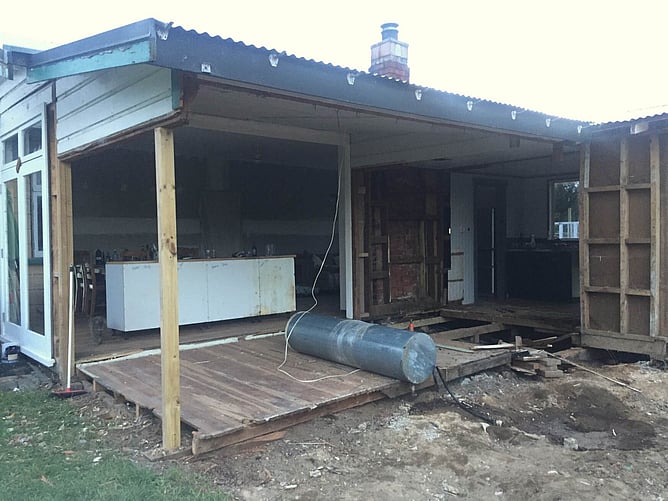
Older homes can sometimes reveal surprises once work begins. There may be hidden moisture damage, framing issues, outdated services, uneven floors, or previous renovations that were not completed to the right standard.
Before choosing from different Te Awamutu builders, ask how these situations are managed. Homeowners should feel confident that their builder will be practical, transparent, and solutions-focused if unexpected issues arise.
How Will You Communicate Throughout the Project?
Clear communication makes a major difference during any renovation, but it is especially important when working on a heritage home. Ask how often updates will be provided, who your main point of contact will be, and how decisions will be handled during the build.
A well-managed renovation should not leave homeowners guessing. The right builder will keep the process organised, explain what is happening, and make sure key decisions are made at the right time.
How Do You Approach Budget Clarity?
Budget clarity should be discussed early. Heritage renovations often involve more detailed planning than a straightforward update, so it is important to understand what is included, where allowances may be needed, and how any changes will be handled.
A good renovation partner will help identify priorities, explain options clearly, and guide decisions in a way that respects both the home and the budget.
Who Coordinates the Trades and Stages of the Renovation?
Heritage renovations often involve multiple trades, suppliers, and stages of work. Ask who will be responsible for coordinating the project and making sure each part of the renovation is properly managed.
The right team will not only focus on the finished result. They will also care about how the project is planned, communicated, and delivered from start to finish.
Bringing New Life to a Heritage Home in Te Awamutu
A heritage renovation is about more than updating an older property. It is about protecting what makes the home special while making it work beautifully for the way people live now.
With the right planning, the right materials, and the right building team, a character home can become warmer, more practical, more comfortable, and more enjoyable without losing the details that give it heart.
For homeowners comparing Te Awamutu builders, the best choice is a team that understands both craftsmanship and care. A heritage home deserves a renovation approach that is thoughtful from the first conversation through to the final finish, with every decision made to support the home’s character, function, and long-term value.
If you are planning a heritage home renovation in Te Awamutu, Pirongia, or the wider Waipa District, talk to our team at Whitechurch Construction about how we can help you modernise your home while protecting the features that make it one of a kind.