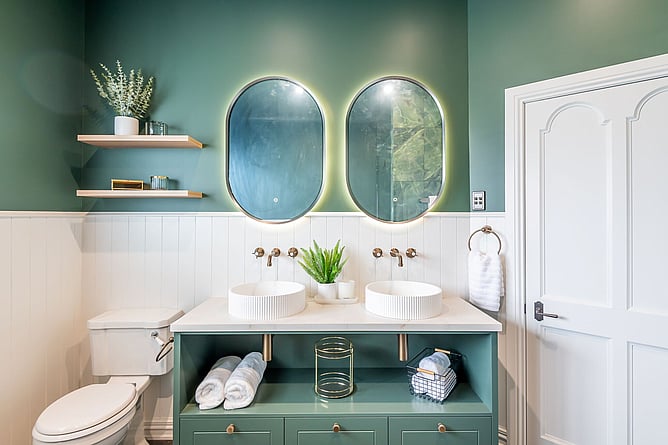
Renovating a bathroom in an older Te Awamutu home takes more thought than simply choosing new tiles, tapware, and a vanity. Older bathrooms often come with dated layouts, tired plumbing, limited ventilation, uneven floors, moisture damage, and finishes that no longer suit the way a household uses the space.
A successful renovation needs to improve the bathroom visually, but it also needs to make the room more practical, durable, warm, and comfortable for everyday use. When the home has character, the goal is to create a bathroom that feels fresh and modern without making it feel disconnected from the rest of the property.
Renovating a bathroom in an older Te Awamutu home usually means looking beyond the surface. The best results come from checking the existing structure, improving waterproofing and ventilation, planning the layout carefully, updating old plumbing where needed, and choosing finishes that suit the age of the home.
Working with a local renovation builder early in the process helps you make clearer decisions around cost, scope, timing, and the best way to bring the bathroom up to standard.
Start With a Proper Bathroom Assessment
Check What Is Already There
Before any older bathroom renovation begins, the first step is understanding what is already there. We look closely at the current layout, plumbing locations, floor condition, wall linings, windows, ceiling height, drainage, ventilation, and any visible signs of moisture.
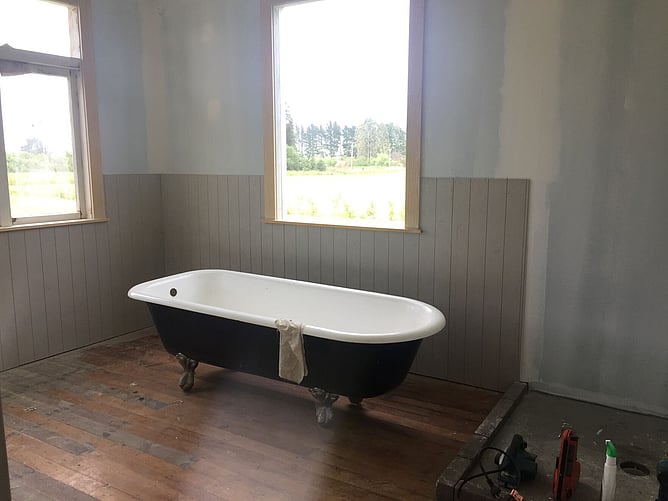
In older Te Awamutu homes, a bathroom might look like it only needs a visual update, but the real condition of the space often sits behind the walls, under the flooring, or around old fixtures.
Look Beyond the Surface
This early assessment is important because it helps shape the entire renovation. A bathroom with sound framing, good access, and a workable layout may only need a straightforward upgrade. Another bathroom might need more involved work if there are soft floors, old leaks, poor ventilation, or plumbing that has reached the end of its useful life.
By identifying these details early, we can help homeowners understand what is worth keeping, what should be replaced, and where the budget should be focused.
Decide Whether the Existing Layout Still Works
When the Current Layout Can Stay
Many older bathrooms were not designed for the way people live now. Some are small and awkward, some have limited storage, and others have a shower, toilet, or vanity positioned in a way that makes the room feel cramped.
Before changing everything, it is worth asking whether the existing layout can still work with better fittings and smarter storage. Keeping plumbing in similar locations can sometimes reduce the scale of the renovation, especially if the bathroom already functions well.
When Reworking the Layout Is Worth It
There are also times when reworking the layout is the better long term decision. If the shower is too small, the vanity blocks movement, the door swing causes problems, or the space no longer suits the household, changing the layout can make the bathroom much easier to use.
This is especially important if the home only has one bathroom, if children use the space daily, or if the renovation needs to support ageing in place. A better layout can completely change how the room feels without necessarily increasing the footprint.
Update What Sits Behind the Walls
Prioritise Waterproofing and Moisture Control
In an older bathroom, the work you do not see is often just as important as the finished surface. Waterproofing, plumbing, drainage, ventilation, and electrical work all need careful attention because they affect how well the bathroom performs over time.
A bathroom is one of the wettest areas in the home, so it needs to be built properly from the inside out. Good waterproofing helps protect the structure of the home, while effective moisture control helps reduce the risk of ongoing issues after the renovation is complete.
Improve Plumbing, Drainage, and Ventilation
We often recommend using a bathroom renovation as an opportunity to improve old services rather than simply covering them up. If pipework is dated, ventilation is weak, or previous work has not been completed to a high standard, the renovation gives you the chance to correct those issues properly.
Ventilation is especially important in older homes, where bathrooms may have small windows, limited airflow, or older extraction that does not cope well with daily steam and condensation.
Choose Finishes That Suit an Older Te Awamutu Home
Keep the Bathroom Connected to the Home
The finish of a bathroom matters, but in an older home it needs to be chosen with care. A bathroom can be modern without looking out of place. The key is to choose tiles, tapware, lighting, colours, mirrors, and cabinetry that feel fresh while still sitting comfortably with the character of the home.
In many older Te Awamutu homes, softer colours, timber accents, classic tile shapes, simple tapware, and thoughtful lighting can create a bathroom that feels updated without feeling too trend driven.
Balance Character With Everyday Function
At Whitechurch Construction, we encourage homeowners to think about how the finished bathroom will connect with the rest of the property. If the home has timber details, traditional proportions, or a more classic feel, the bathroom should respect that rather than ignoring it.
This does not mean the space has to look old fashioned. It simply means the renovation should feel considered. The best bathrooms are practical, easy to clean, warm, well lit, and visually balanced with the rest of the home.
Think About Cost, Scope, and Builder Involvement Early
Understand What Affects Bathroom Renovation Costs
Bathroom renovation costs can vary widely, especially in older homes. The final cost depends on the size of the bathroom, how much of the layout is changing, whether plumbing needs to be moved, the condition of the existing structure, which fixtures are selected, and whether there are hidden issues once the old bathroom is removed.
This is why it helps to involve a builder before locking in every selection, because some choices that look simple on paper can have a bigger impact once the existing bathroom is opened up.
Speak to a Builder Before Finalising Selections
Speaking to a builder early can make the process much clearer. We can help identify which ideas are practical, where costs may increase, and which decisions will have the biggest impact on the overall result. For example, moving a toilet or shower may create a better layout, but it can also affect plumbing, flooring, drainage, and timing.
Choosing heavy tiles, custom cabinetry, or premium fittings may also influence the scope. The earlier these conversations happen, the easier it is to plan the bathroom properly and avoid decisions that need to be changed later.
Plan Around Living in the Home During the Renovation
Consider How the Household Will Manage
Bathroom renovations can be disruptive, particularly if it is the only bathroom in the house. Before work begins, it is important to think through how the household will manage during the bathroom renovation.
This may involve arranging temporary bathroom access, planning work around family routines, or staging certain parts of the job so the process is easier to live with. These details are not always the first thing homeowners think about, but they can make a major difference to how smoothly the renovation feels.
Keep the Project Organised From the Start
With Whitechurch Construction, the aim is to keep the renovation organised so homeowners know what is happening, when key stages are taking place, and what decisions need to be made before work progresses.
Older home, or heritage home renovations can involve a few unknowns, so having an organised process helps keep the project moving as smoothly as possible. A tidy site, reliable scheduling, clear expectations, and good communication all help reduce stress during the build.
Why Choose a Local Te Awamutu Renovation Builder
Work With Someone Who Understands Older Local Homes
Working with a local Te Awamutu builder, for renovations or new home builds is valuable because older homes in the area can come with their own mix of building styles, access considerations, previous alterations, and practical challenges.
A local builder understands the types of homes found across Te Awamutu and the wider Waipa area, and that knowledge helps when planning the renovation, coordinating trades, and working through details that may not be obvious at first.
Choose a Builder Who Can Manage the Details
Choosing the right builder is not only about who can install a new bathroom. It is about choosing someone who can manage the whole process, from early advice through to the final finish.
Older bathroom renovations often need careful sequencing, trusted trades, practical problem-solving, and open communication. When a homeowner is close to deciding, those details matter because they influence the overall experience as much as the finished bathroom itself.
FAQs About Renovating an Older Bathroom in Te Awamutu
How much does it cost to renovate a bathroom in an older Te Awamutu home?
The cost depends on the size of the bathroom, the condition of the existing space, the fittings selected, and whether plumbing, waterproofing, flooring, or layout changes are needed. The best way to get an accurate idea is to have the bathroom assessed before finalising the design.
Do I need council consent to renovate an older bathroom?
Some bathroom renovations may need consent if they involve structural work, drainage changes, or major plumbing alterations. This should be checked early so the project can be planned properly from the start.
Can you renovate a bathroom while we are living in the home?
In many cases, yes, but it depends on whether it is the only bathroom in the house and how the work needs to be staged. Planning access, timing, and temporary arrangements early helps make the renovation easier to manage.
Is it better to keep the existing bathroom layout?
Keeping the existing layout can work well if the bathroom already functions properly and the main goal is to update the space. If the room feels cramped, awkward, or impractical, changing the layout may create a much better long-term result.
Can an older bathroom be modernised without losing character?
Yes, an older bathroom can be modernised while still feeling connected to the rest of the home. The key is choosing layouts, finishes, colours, and details that improve function without clashing with the character of the property.
When should I speak to a bathroom renovation builder?
It is best to speak to a builder before locking in the layout, fittings, or finishes. Early advice can help identify practical issues, avoid costly changes, and create a clearer renovation plan.
Final Thoughts
Renovating a bathroom in an older Te Awamutu home is about creating a space that works better, manages moisture properly, feels comfortable, and still suits the character of the home. With the right planning and a clear renovation process, an older bathroom can become a practical, lasting part of the home.
If you are planning a bathroom renovation in Te Awamutu, contact us today to talk through your project.
Phone: 0210 258 2299
Email: andy@whitechurchconstruction.co.nz
Email: laura@whitechurchconstruction.co.nz